Studio Image Series 270: Planning a Gallery Shoot
By Elena Park · Published · 4 minutes read
A studio image series lives or dies on the planning done before anyone steps onto the cyc. Project 270 — a 27-look stills gallery built over two shoot days — is a useful model for how a mid-sized series comes together: a defined visual system, a shot list that survives contact with reality, and a post pipeline that doesn't collapse under its own file names.
Below is a practical breakdown of what a series like this actually takes, from crew and lighting to the numbers behind a two-day gallery shoot. The ranges are drawn from typical small-to-mid studio work, so treat them as planning anchors rather than fixed quotes.
Defining the Series Before the Shot List
Every gallery series needs a visual rule set before anyone writes a shot list. For Project 270 that meant one backdrop palette, one key-light family, and a consistent crop ratio across all 27 looks. Deciding these first prevents the slow drift that turns a tight series into 27 unrelated photographs. Write the rules down as a one-page style sheet with reference frames, then treat changes to it as scope changes, not creative whims.
The style sheet should cover background colour or texture, lens range, camera height, colour temperature, and the treatment of shadows. A series reads as intentional when the variables are few and repeated. Keep a physical or digital board on set so the whole crew can see the target frame — it cuts the back-and-forth that eats shooting time.
- One backdrop family, maximum two tones
- Fixed lens range, e.g. 50–85mm equivalent
- Single key-light family across all looks
- Locked crop ratio and camera height
- Reference frames printed or pinned on set
Crew and Studio Time for a Two-Day Gallery Shoot
A 27-look stills series typically needs 12–16 hours of studio time across two days, allowing roughly 35–45 minutes per look including styling tweaks and lighting resets. That timing assumes a crew of five to seven: photographer, digital tech, first assistant, stylist, hair and makeup, and a producer splitting their time across both days. Going leaner is possible but usually costs you looks per hour.
Build in a 60–90 minute buffer on day one for the first look, which always runs long while the team settles into the rhythm. Book the studio for a half-day either side if you can — load-in and strike are rarely included in day rates and are where schedules quietly break. Confirm power, blackout, and ceiling height before signing anything.
- 35–45 minutes per look including resets
- 5–7 person crew for mid-sized series
- 60–90 minute buffer for the first look
- Half-day load-in and strike allowance
- Confirm blackout, power, and ceiling height
Lighting Setups That Scale Across Many Looks
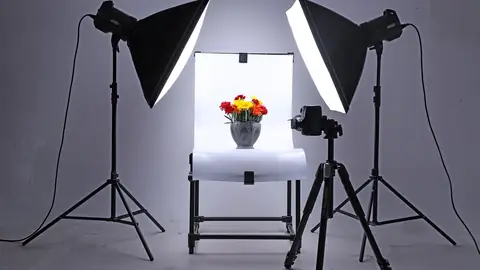
The most reliable series lighting is a simple, repeatable key with a controllable falloff — a large soft source at 45 degrees, a fill card or bounce, and a background light you can dial independently. Set it once, mark the floor, and change only what the look demands. Two or three lighting recipes, each documented with a phone photo and a note of settings, will cover most of a gallery series without burning resets.
Keep a lighting log: modifier, distance, power, and gel for every recipe. When a look needs revisiting on day two, the log saves 15–20 minutes of re-guessing. If the series includes movement or multiple talent, add a second background light so you can separate figures from the sweep without relighting the whole set.
| Item | Typical range | Notes |
|---|---|---|
| Looks per day | 12–16 | Includes styling and lighting resets |
| Minutes per look | 35–45 | First look runs 60–90 minutes |
| Crew size | 5–7 people | Photographer, digitech, assistant, stylist, HMU, producer |
| Studio hire (2 days) | $1,200–$3,500 | Varies by city and facilities |
| Crew cost (2 days) | $3,500–$7,000 | Seniority and union rules apply |
| Frames captured | 1,500–3,000 | Including tests and alternates |
| Retouch per final image | 45–90 minutes | More for heavy cleanup |
Budget Ranges and What Drives Them
For a two-day, 27-look studio series, direct costs typically land between $6,000 and $15,000 depending on city, crew seniority, and styling complexity. Studio hire for two days usually runs $1,200–$3,500; crew day rates for a five-person team commonly fall in the $3,500–$7,000 range for the pair of days; styling, props, and consumables add $800–$2,500. Post-production and retouching are usually quoted separately.
The biggest swing factors are talent count, wardrobe changes, and whether the set needs practical effects. Each additional talent or heavy wardrobe look can add 20–30 minutes on the day, which compounds quickly across 27 setups. Get the shot count and look complexity agreed in writing before the studio is booked, and tie any additions to a change process rather than absorbing them silently.
- Studio hire: $1,200–$3,500 for two days
- Crew: $3,500–$7,000 for five people, two days
- Styling and props: $800–$2,500
- Post and retouching: quoted separately
- Extra talent or wardrobe adds 20–30 minutes per look
Post-Production and File Handling for a Gallery
A 27-look series can easily produce 1,500–3,000 frames once you include selects, alternates, and test shots. Plan the cull and edit before the shoot ends: a digital tech who applies ratings and keywords on set saves hours in post. Agree the delivery format early — typically 27 final retouched images at a fixed long edge, plus a set of web-sized derivatives.
Retouching time varies with the look, but a reasonable planning figure is 45–90 minutes per final image for clean studio work, more where skin or product cleanup is heavy. Build a naming convention and folder structure on day one, and back up cards before they leave the studio. For a deeper process, see how to archive and back up creative project files and how to estimate time for photo retouching projects.
Keeping the Series Consistent During Review
Review the gallery as a set, not image by image. Lay all 27 frames out in a grid and look for outliers in colour, contrast, crop, and shadow density. A contact-sheet review catches the two or three frames that break the visual rhythm before retouching begins, which is far cheaper than fixing them afterwards.
Give clients a single review round with a clear deadline and a structured way to comment — frame number plus a short note. Unstructured feedback across email threads is where gallery projects lose days. If you need a frame for client conversations, this portfolio review checklist shows what clients tend to notice first.
- Lock the visual rules before writing the shot list; treat changes as scope changes.
- Plan 35–45 minutes per look and protect a 60–90 minute buffer for the first setup.
- A simple, documented lighting system with two or three recipes scales best across many looks.
- Budget $6,000–$15,000 in direct costs for a two-day, 27-look studio series, with post quoted separately.
Elena writes about portfolio strategy, client communication, and the day-to-day operations of running a studio. She draws on common industry challenges to create actionable checklists and how-to articles. Her focus is on helping creative professionals present their work clearly and confidently.